
At first glance, the word zoodles sounds playful, even quirky. Yet behind this catchy term lies a smart, practical food idea that has reshaped modern home cooking. From health-focused kitchens to budget-conscious meal plans, zoodles have quietly earned their place on plates worldwide. Before diving into recipes and tips, it helps to understand why this simple concept has captured so much attention and how it fits into everyday life.
What Does “Zoodles” Mean?
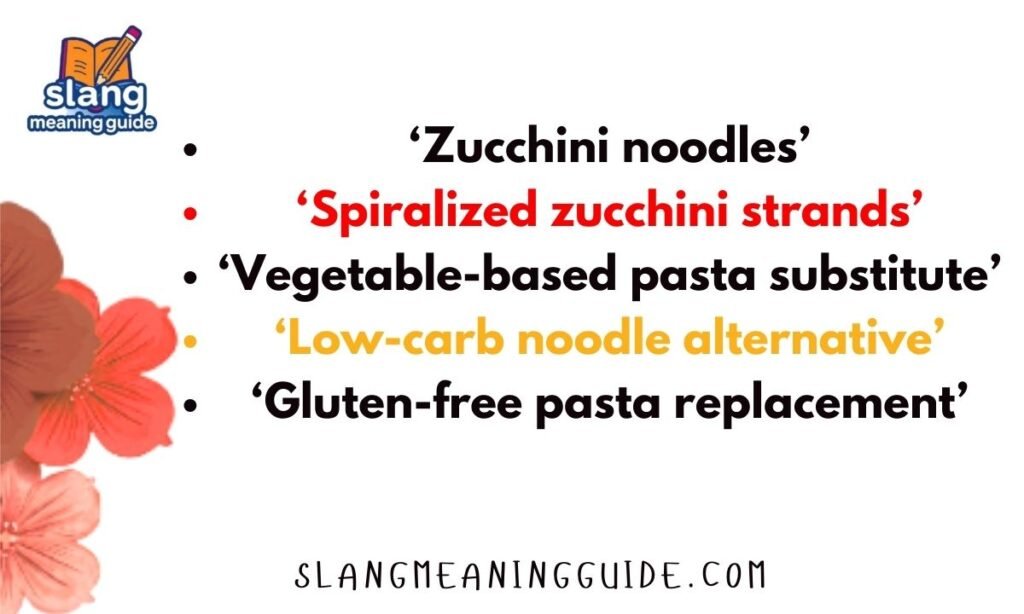
Zoodles is a blend of the words zucchini and noodles. The term refers to long, thin strips of zucchini that resemble traditional pasta. These strands are created by spiralizing, slicing, or julienning whole zucchinis into noodle-like shapes.
In simple terms, zoodles are zucchini noodles used as a vegetable-based substitute for wheat pasta. They are popular in low-carb, gluten-free, and health-conscious diets, but they also appeal to anyone looking for lighter, fresher meals.
“Zoodles turn an everyday vegetable into a versatile, pasta-like ingredient that fits modern eating habits.”
Because of their mild flavor and flexible texture, zoodles easily absorb sauces and seasonings, making them a practical alternative to traditional noodles in many dishes.
Why Zoodles Became So Popular
Zoodles did not become popular by accident. Their rise reflects shifting food preferences, lifestyle changes, and growing awareness of nutrition and budget-friendly cooking.
Key Reasons for Their Popularity
- Growing interest in low-carb and gluten-free diets
- Rising demand for vegetable-based meals
- Increased focus on clean eating and whole foods
- Desire for quick, simple, and affordable cooking options
Unlike many health trends, zoodles are easy to prepare, affordable, and accessible, which has helped them move from niche diets into mainstream kitchens.
The History and Origin of Zoodles
The term zoodles has been in use since at least the early 1990s, though spiralized vegetables existed long before that. The modern version gained popularity as kitchen tools like spiralizers became widely available and as low-carb eating plans expanded.
How Zoodles Entered Mainstream Cooking
- Early adoption by health-focused communities
- Spread through food blogs and social media
- Recognition by major dictionaries around 2018
- Growing presence in grocery stores as ready-made products
Today, many supermarkets sell fresh and frozen zoodles, showing how firmly they have become part of modern food culture.
How Zoodles Are Made
One of the main appeals of zoodles is how simple they are to prepare. With minimal equipment and effort, fresh zucchini can be transformed into noodle-like strands.
Common Tools Used
- Spiralizer
- Julienne peeler
- Mandoline slicer
- Sharp knife (manual method)
Basic Preparation Steps
- Wash and trim the ends of the zucchini
- Spiralize or slice into thin strands
- Lightly salt and rest for moisture removal if needed
- Pat dry before cooking
“The simpler the preparation, the fresher the result.”
Removing excess moisture helps prevent sogginess and improves texture during cooking.
How to Cook Zoodles Perfectly
Zoodles require a different cooking approach than traditional pasta. Overcooking leads to watery, mushy results, while proper handling preserves their light bite.
Best Cooking Methods
- Quick sauté: 2–4 minutes in a hot pan
- Light steaming: Just until tender
- Raw preparation: For salads and cold dishes
- Oven baking: For casseroles and layered meals
Key Cooking Tips
- Avoid boiling, as it releases too much water
- Cook briefly to maintain texture
- Add sauces after cooking for best results
- Serve immediately
“Short cooking time keeps zoodles crisp, flavorful, and satisfying.”
Nutritional Benefits of Zoodles
One of the strongest reasons for choosing zoodles is their impressive nutritional profile.
Health Advantages
- Very low in calories
- Low in carbohydrates
- Naturally gluten-free
- High in water content
- Rich in fiber
Key Nutrients
- Vitamin C
- Vitamin B6
- Potassium
- Magnesium
- Antioxidants
Compared to traditional pasta, zoodles provide far fewer calories and carbs while offering more vitamins and minerals.
Zoodles vs Traditional Pasta
Understanding the difference helps explain why zoodles have become such a popular substitute.
Nutritional Comparison
- Calories: Zoodles contain far fewer calories
- Carbs: Significantly lower in carbohydrates
- Fiber: Higher natural fiber content
- Digestibility: Easier to digest for many people
Texture and Taste
- Pasta: Dense, chewy, and filling
- Zoodles: Light, crisp, and refreshing
Zoodles do not aim to replace pasta entirely but offer a lighter alternative for those seeking healthier meals.
Zoodles as a Budget-Friendly Meal Option
Beyond health benefits, zoodles are also economical, making them ideal for budget-conscious households.
Why Zoodles Save Money
- Zucchini is inexpensive, especially when in season
- Minimal ingredients required
- Fast cooking reduces energy costs
- Works well with affordable toppings
Affordable Meal Pairings
- Garlic and olive oil
- Tomato-based sauces
- Chickpeas and lentils
- Seasonal vegetables
- Simple protein additions like eggs or chicken
“Zoodles prove that healthy eating does not need to be expensive.”
Versatility in Cooking and Meal Planning
Zoodles adapt well to a wide range of cuisines and cooking styles.
Popular Recipe Styles
- Italian-inspired dishes with marinara or pesto
- Asian-style stir-fries
- Mediterranean plates with olive oil and herbs
- Light salads with lemon dressing
- Baked casseroles
This versatility allows zoodles to fit into weekly meal rotations without feeling repetitive.
How to Avoid Watery Zoodles
One of the most common challenges with zoodles is excess moisture.
Practical Solutions
- Salt and rest before cooking
- Pat dry with paper towels
- Use high heat and short cooking time
- Avoid covering during cooking
“Moisture control is the secret to perfect zoodles.”
Zoodles in Weight Management and Diet Plans
Zoodles are widely used in meal plans focused on:
- Weight loss
- Keto diets
- Paleo diets
- Low-glycemic diets
- Gluten-free eating
Their low calorie density allows for larger portions with fewer calories, making meals more satisfying while supporting dietary goals.
Zoodles and Digestive Health
The fiber content and water-rich structure of zucchini support digestive wellness.
Digestive Benefits
- Promotes regular bowel movements
- Supports gut health
- Reduces bloating compared to wheat pasta
- Helps maintain hydration
For individuals with sensitive digestion, zoodles often provide a gentler alternative to refined carbohydrates.
Environmental and Sustainability Benefits
Zoodles also align with environmentally conscious eating habits.
Sustainability Factors
- Plant-based
- Low processing
- Reduced packaging when homemade
- Lower environmental impact than wheat production
Choosing vegetables over refined grains contributes to more sustainable food systems.
Storage and Shelf Life
Proper storage keeps zoodles fresh and flavorful.
Storage Tips
- Store raw zoodles in airtight containers
- Use within 2–3 days
- Keep refrigerated
- Avoid freezing raw zoodles
Cooked zoodles are best consumed immediately but can be stored for short periods.
Common Mistakes When Cooking Zoodles
Avoiding these errors improves overall results.
Frequent Cooking Errors
- Overcooking
- Using too much salt early
- Adding sauce too soon
- Cooking on low heat
- Skipping moisture removal
“Good zoodles depend more on technique than on ingredients.”
Zoodles in Modern Food Culture
Zoodles reflect broader shifts in how people think about food.
Cultural Influence
- Growth of health-conscious lifestyles
- Social media-driven food trends
- Home cooking revival
- Focus on fresh ingredients
Zoodles symbolize simplicity, wellness, and adaptability in modern diets.
Frequently Asked Questions
What exactly are zoodles?
Zoodles are thin, noodle-like strips of zucchini used as a pasta substitute.
Are zoodles healthier than pasta?
Yes, they are lower in calories, carbs, and gluten-free.
How long should zoodles be cooked?
Usually 2 to 4 minutes to maintain texture.
Can zoodles be eaten raw?
Yes, they work well in salads and cold dishes.
Do zoodles taste like pasta?
No, but they absorb sauces well and provide a fresh, mild flavor.
Final Thoughts
Zoodles represent more than a food trend. They offer a practical solution for healthier, lighter, and more affordable meals. Their simplicity makes them easy to prepare, while their versatility keeps cooking creative and enjoyable. By understanding their meaning and proper use, anyone can turn this humble vegetable into satisfying, nourishing dishes. Zoodles prove that smart eating does not require complexity, only thoughtful choices.