
Tweaking is a word almost everyone hears, but very few fully understand. It shows up in casual texts, viral videos, and serious health conversations. Depending on context, it can sound harmless or alarming. That contrast is what makes the term so interesting and so important to understand clearly.
This guide breaks down what “tweaking” really means, where it comes from, and how it is used today. You will see how the slang version differs from the clinical meaning, why context matters, and how to recognize when the word signals something serious.
What Does Tweaking Mean?
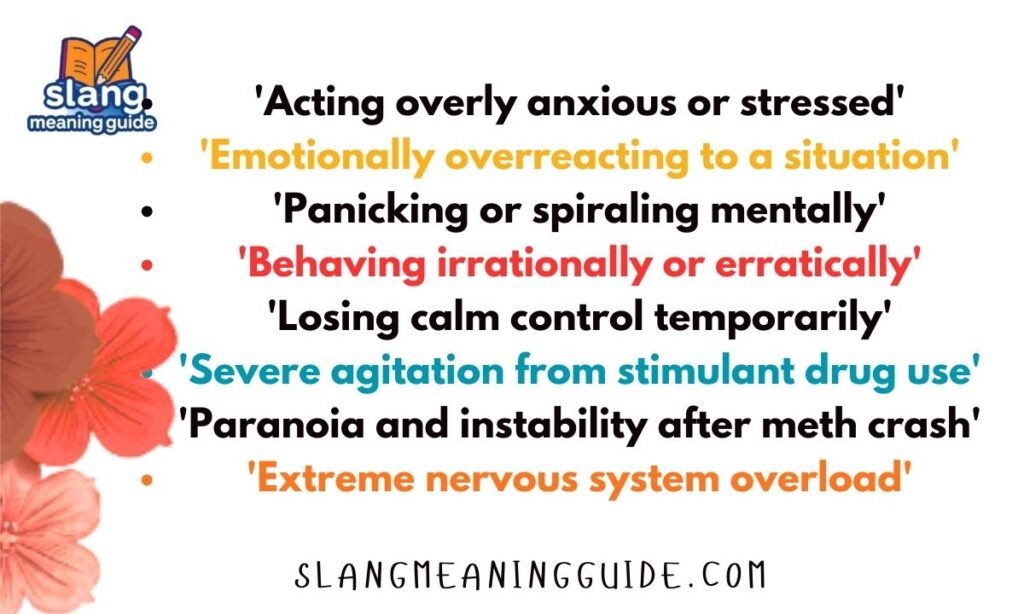
Tweaking generally refers to acting in an intense, irrational, or erratic way. The exact meaning depends heavily on context.
In everyday slang, it often describes emotional overreaction, panic, or anxiety. In medical and addiction contexts, it refers to a dangerous mental and physical state associated with stimulant drug use, especially methamphetamine.
While In simple terms:
Tweaking means losing calm control and behaving in a frantic, anxious, or unstable way.
The tone can range from playful to extremely serious, depending on how and where the word is used.
The Origins of the Word “Tweaking”
The word “tweak” originally meant to twist, pinch, or make small adjustments. Over time, its meaning evolved.
In drug culture, “tweaking” became associated with the intense agitation and paranoia experienced during the crash phase of stimulant use. This definition gained traction in medical, law enforcement, and recovery communities.
Later, Gen Z and internet culture adapted the term into casual slang. The drug-related meaning softened, turning into a way to describe stress, panic, or emotional overload, without any substance reference.
This evolution created two major meanings:
- A clinical term tied to stimulant drug effects
- A slang term describing emotional or behavioral overreaction
Tweaking in Gen Z and Internet Slang
In modern slang, “tweaking” is widely used to describe someone who is overthinking, panicking, or acting dramatic.
It often appears in texts, memes, and social media captions. The tone is usually light, humorous, or exaggerated.
Common slang uses include:
- Overreacting emotionally
- Stressing excessively
- Panicking over small problems
- Acting unusually anxious
Example phrases:
- “Why are you tweaking about that?”
- “I was tweaking waiting for the reply.”
- “Stop tweaking, it’s not that serious.”
In slang, tweaking usually means emotional overload, not drug use.
This version focuses on anxiety, nervous energy, or exaggerated stress, making it relatable and widely used.
Tweaking in Medical and Addiction Contexts
In clinical settings, tweaking has a far more serious meaning. It refers to a dangerous psychological state caused by prolonged stimulant drug use, especially methamphetamine.
This phase typically occurs after long periods of binging and sleep deprivation, when dopamine levels crash and the nervous system becomes overwhelmed.
Key clinical features include:
- Severe paranoia
- Hallucinations
- Intense anxiety
- Aggressive behavior
- Disorganized thinking
- Extreme agitation
Clinically, tweaking represents a state of mental and physical collapse after stimulant overload.
This phase can last from hours to several days and may require medical intervention.
Key Characteristics of Tweaking Behavior
Regardless of context, certain behavioral traits often define tweaking. These vary in severity but follow similar patterns.
Emotional and Mental Signs
- Heightened anxiety and panic
- Racing thoughts
- Irrational fears
- Emotional volatility
- Paranoia
Physical and Behavioral Signs
- Restlessness and pacing
- Repetitive movements
- Skin picking
- Inability to sit still
- Tremors and sweating
Cognitive Effects
- Disorganized thinking
- Poor concentration
- Confused speech
- Difficulty processing information
Tweaking overwhelms both the brain and nervous system, disrupting emotional balance and rational thinking.
Tweaking vs Normal Stress: What’s the Difference?
Everyone experiences stress, anxiety, and worry. Tweaking goes beyond normal emotional responses.
Normal stress:
- Situational
- Temporary
- Rational reactions
- Maintains logical thinking
Tweaking:
- Intense emotional overload
- Irrational reactions
- Physical agitation
- Loss of calm control
In slang, the difference is exaggerated for humor. In medical contexts, the difference can be life-threatening.
Why Context Matters So Much
The meaning of “tweaking” depends entirely on where and how it is used.
A teen texting “I’m tweaking about my exam” is expressing anxiety. A doctor describing a patient as tweaking is referencing a severe clinical condition.
Understanding context prevents:
- Miscommunication
- Unnecessary panic
- Minimizing serious health risks
Context turns tweaking from a casual phrase into a critical warning sign.
What Causes Tweaking in Drug Use?
Tweaking typically occurs during the crash phase after extended stimulant use.
The brain becomes overstimulated, then rapidly depleted of dopamine. This chemical imbalance causes severe psychological distress.
Major contributing factors:
- Extended drug binging
- Severe sleep deprivation
- Malnutrition
- Chronic stimulant exposure
- Underlying mental health conditions
The longer the binge, the more intense the tweaking phase becomes.
How Long Does Tweaking Last?
The duration varies widely depending on:
- Dosage
- Method of intake
- Frequency of use
- Individual health condition
Typical timeline:
- Several hours to multiple days
- Lingering paranoia may last longer
- Some experience extended psychosis requiring treatment
In heavy users, symptoms may persist well beyond detox.
Risks and Dangers of Tweaking
Tweaking poses serious risks to both the individual and those around them.
Major dangers include:
- Violent or aggressive behavior
- Self-harm or accidental injury
- Severe dehydration and exhaustion
- Psychotic episodes
- Cardiac complications
Tweaking is not just uncomfortable. It can be medically dangerous and potentially life-threatening.
Immediate medical attention may be required in severe cases.
How Tweaking Is Used in Everyday Language
Despite its serious origins, tweaking is now deeply embedded in casual speech.
People use it to express:
- Anxiety
- Nervous excitement
- Overthinking
- Emotional overwhelm
Everyday meaning:
Tweaking = emotionally spiraling or stressing too much.
This lighter usage helps convey intensity without needing long explanations.
Is Tweaking a Positive or Negative Term?
Overall, tweaking carries a negative tone.
Even in slang, it implies loss of control, emotional instability, or irrational behavior. While sometimes humorous, it still signals distress.
In medical contexts, it reflects severe psychological crisis.
Bottom line:
- Slang: mildly negative, humorous
- Clinical: seriously negative, dangerous
When Tweaking Becomes a Warning Sign
In casual use, tweaking is normal. But when behavior becomes extreme, prolonged, or dangerous, it signals deeper issues.
Red flags include:
- Continuous agitation lasting days
- Hallucinations or paranoia
- Inability to sleep
- Aggressive tendencies
- Loss of reality awareness
These signs require professional intervention.
How to Respond If Someone Is Tweaking
Your response depends on context.
If slang-related:
- Offer reassurance
- Reduce stress triggers
- Encourage calm breathing and grounding
If medically related:
- Ensure safety
- Avoid confrontation
- Seek medical or emergency assistance
- Maintain a calm environment
Safety always comes before confrontation.
The Cultural Impact of Tweaking as Slang
Gen Z slang often reflects emotional states with vivid language. Tweaking fits this trend perfectly.
It captures anxiety, excitement, and emotional chaos in one expressive word. Social media accelerated its spread, making it mainstream.
This evolution shows how language adapts to emotional experiences and generational expression.
Frequently Asked Questions
What does tweaking mean in slang?
It means overreacting, panicking, or stressing excessively.
Is tweaking always drug-related?
No, in slang it usually has no drug connection.
Can tweaking be dangerous?
Yes, in clinical contexts it can be medically serious.
How long can tweaking last?
From hours to several days, depending on cause.
Is tweaking a mental health condition?
No, but it can reflect serious psychological distress.
Final Thoughts
Tweaking is a powerful word because it bridges casual slang and serious medical meaning. In everyday language, it captures anxiety and emotional overload. In clinical settings, it signals severe neurological and psychological disruption.
Understanding both meanings helps avoid confusion and ensures the term is used responsibly. Language evolves, but awareness keeps it meaningful and safe.