
Scroll through TikTok or group chats long enough and you will see a new label appear, usually aimed at someone only slightly older. The word feels playful, slightly sarcastic, and oddly powerful. It instantly signals a shift in how generations see age, relevance, and cultural awareness. To understand why this term spread so fast, we need to look beyond the joke and explore what it really represents.
UNC Status Meaning in Texting
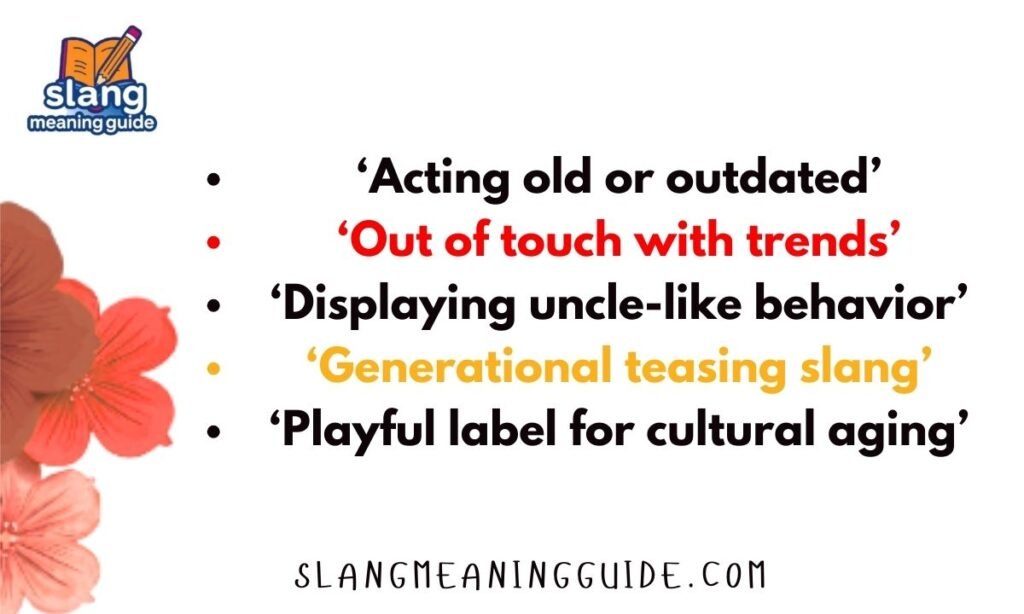
UNC status is Gen Z and Gen Alpha slang derived from the word “uncle.” In texting, it refers to someone who is perceived as old, outdated, or out of touch with current trends, even if they are only a few years older than the speaker. The term is usually humorous, sarcastic, or teasing rather than insulting, though tone matters greatly.
In casual texting, calling someone “unc” or saying they have “reached unc status” implies that their habits, language, or interests feel outdated compared to current youth culture. This often happens when someone uses old slang, listens to older music, or struggles with new technology.
Examples commonly include:
- “Bro still says YOLO. He’s officially unc status.”
- “You still using Facebook like that? Unc behavior.”
- “You born in the 90s? Yeah, that’s unc status.”
At its core, unc status in texting reflects generational humor and playful age-based teasing, not a literal judgment of age. It shows how rapidly internet culture shifts and how quickly people are labeled as behind the times.
UNC Status on Social Media
On platforms like TikTok, Twitter/X, and Instagram, unc status has become a viral expression used to mock or joke about aging, maturity, or outdated behavior. TikTok especially amplified the term through short videos showing people realizing they have officially become “unc.”
Social media usage of unc status often includes:
- Reaction videos to realizing one’s age.
- Skits mocking outdated habits.
- Comments teasing creators for old references.
- Memes comparing Gen Z vs Millennials.
In these spaces, unc status acts as a cultural marker, dividing younger and older digital generations. Many users in their mid-20s are humorously labeled as “unc” by teenagers, even though they are still quite young. This playful exaggeration is part of TikTok humor and meme culture, where hyperbole drives engagement.
UNC Status in Personal Chats
In personal chats, unc status is more intimate and contextual. Friends use it to tease each other in a relaxed, familiar tone. The meaning often depends on the relationship between speakers.
In private conversations, unc status can signal:
- Friendly teasing.
- Inside jokes.
- Lighthearted age humor.
- Shared cultural references.
Examples include:
- “You complaining about back pain already? Unc status unlocked.”
- “Still listening to 2000s playlists? That’s unc energy.”
- “You don’t know this TikTok trend? You’re an unc now.”
Here, unc status works as social bonding language, strengthening relationships through shared humor rather than criticism.
Formal vs Informal Use of UNC Status
UNC status is strictly informal slang. It should never appear in professional, academic, or formal communication. Using it outside casual digital spaces can seem disrespectful, confusing, or inappropriate.
Where unc status fits:
- Text messages
- Group chats
- TikTok captions
- Social media comments
- Meme culture
Where unc status does not belong:
- Workplace emails
- Academic writing
- Professional presentations
- Business communication
Using slang in formal contexts risks misinterpretation and damages credibility. UNC status works only where informality, humor, and cultural familiarity exist.
Common Misunderstandings About UNC Status
Many people misunderstand unc status as a literal insult or age-based attack. In reality, its meaning is far more contextual and playful.
Common misconceptions include:
- Thinking it means someone is actually old.
- Believing it is always disrespectful.
- Assuming it applies only to men.
- Treating it as bullying rather than banter.
In truth, unc status often applies to people in their 20s and 30s, especially when interacting with teenagers. The term reflects cultural age rather than biological age, meaning someone can feel “old” simply by being out of touch with fast-moving trends.
Usage Tips for UNC Status
Using unc status correctly requires understanding tone, timing, and audience. When used properly, it adds humor. When misused, it can offend.
Helpful usage tips:
- Use only with friends or peers.
- Avoid using it toward elders or strangers.
- Pay attention to tone and emotional cues.
- Keep it light, not mocking.
Good examples:
- “Bro uses wired headphones. That’s unc behavior.”
- “You don’t know this song? Unc status confirmed.”
Bad examples:
- Using it to shame or embarrass.
- Using it toward authority figures.
- Using it in professional settings.
The key is playful intent, not ridicule.
Emotional Context Behind UNC Status
UNC status carries emotional undertones tied to aging anxiety, cultural relevance, and identity. Younger generations often use humor to cope with the fear of growing older and losing social relevance.
Emotionally, unc status expresses:
- Fear of becoming outdated.
- Anxiety about cultural shifts.
- Nostalgia for past trends.
- Playful resistance to aging.
For those labeled “unc,” it can trigger:
- Self-reflection.
- Humor-based acceptance.
- Mild insecurity.
- Nostalgic pride.
This emotional layer explains why the term resonates so strongly across generations. It reflects modern culture’s obsession with youth, speed, and relevance.
Comparisons With Similar Slang Terms
UNC status belongs to a broader family of slang terms that label generational identity and cultural relevance.
| Slang Term | Meaning | Tone | Typical Usage |
|---|---|---|---|
| Unc Status | Acting old or outdated | Playful, sarcastic | TikTok, texting |
| Oldhead | Older person with outdated views | Neutral to teasing | AAVE, hip-hop |
| Boomer | Older generation stereotype | Often mocking | Social media |
| Washed | No longer relevant | Teasing | Sports, memes |
| Fossil | Extremely outdated | Harsh humor | Jokes |
UNC status stands out because it blends respect, humor, and mockery, unlike harsher terms such as “boomer” or “fossil.”
Practical Examples of UNC Status in Conversation
Understanding unc status becomes easier through real-life usage examples.
Casual texting:
- “You still got that ringtone from 2010? Unc status.”
- “You don’t know this meme? Yeah, you’re officially unc.”
TikTok comments:
- “Bro said back in my day. Unc energy.”
- “Born before 2000? That’s unc territory.”
Group chat humor:
- “Why you going to bed at 9 PM, unc?”
- “You complaining about joint pain already?”
These examples show that tone remains light and teasing, not insulting.
When to Avoid Using UNC Status
Although playful, unc status is not always appropriate. Context and cultural sensitivity matter.
Avoid using unc status:
- In professional environments.
- Toward elders who may find it disrespectful.
- With people unfamiliar with internet slang.
- In serious emotional situations.
Additionally, because unc originates in African American Vernacular English (AAVE), users should remain culturally respectful. Overusing or misapplying the term can strip it of its original context and meaning.
Cultural Origins of UNC Status
UNC originates from African American Vernacular English, where “unc” traditionally referred to an older male relative or respected elder. Within Black communities, it often carried respect and familiarity, not mockery.
Hip-hop culture and rap music helped bring the term into mainstream slang, and TikTok later transformed its meaning into humorous generational teasing. This evolution shows how internet culture reshapes language rapidly, often shifting emotional tone.
Meanings and Contexts of UNC Status
| Context | Meaning | Emotional Tone |
|---|---|---|
| Texting | Acting old or outdated | Playful teasing |
| TikTok | Generational humor | Sarcastic, funny |
| Personal chats | Friendly mockery | Lighthearted |
| AAVE roots | Older male respect | Respectful |
| Marketing memes | Cultural commentary | Satirical |
Alternatives to UNC Status
| Term | Meaning | Usage Scenario |
|---|---|---|
| Oldhead | Outdated or older person | Casual banter |
| Boomer | Older generation stereotype | Social media jokes |
| Washed | No longer relevant | Meme culture |
| Fossil | Extremely old-fashioned | Exaggerated humor |
| Grandpa energy | Acting elderly | Friendly teasing |
Why UNC Status Went Viral
UNC status exploded in popularity because it captures a universal fear of aging in a youth-obsessed digital culture. Short-form video platforms thrive on relatability, and nearly everyone experiences moments of feeling outdated.
Its virality stems from:
- High relatability.
- Easy humor.
- Strong emotional connection.
- Generational identity conflict.
- TikTok algorithm amplification.
The term thrives because it feels personal, funny, and socially validating.
Impact of UNC Status on Identity and Culture
UNC status reflects modern society’s complicated relationship with age. While older generations once symbolized wisdom, today’s digital culture often associates youth with relevance and creativity.
This shift creates:
- Faster generational turnover.
- Increased pressure to stay trendy.
- Humor-based coping mechanisms.
- Blurred age boundaries.
UNC status acts as a cultural mirror, showing how deeply youth and digital fluency shape modern identity.
Frequently Asked Questions
What does UNC status mean in slang?
It means acting old, outdated, or out of touch with current trends.
Is UNC status an insult?
Usually no, it is playful teasing, but tone and context matter.
Where did UNC status originate?
It comes from African American Vernacular English and spread through TikTok.
Who typically uses UNC status?
Gen Z and Gen Alpha use it most in texting and social media.
Can UNC status be respectful?
Yes, in some cultural contexts it can express familiarity or respect.
Final Thoughts
UNC status is more than a joke about aging. It reflects how quickly culture changes and how deeply social media shapes identity, humor, and language. While playful, it highlights generational tension and our collective anxiety about staying relevant. Used thoughtfully, it adds humor and connection. Used carelessly, it can offend or alienate. Like all slang, its real power lies not in the word itself, but in the intent behind it.