
You have probably seen “sksksk” pop up in texts, comments, or social media replies and wondered what it actually means. At first glance, it looks like random keyboard smashing. But behind those letters is a surprisingly expressive piece of modern slang.
This guide breaks down the meaning, usage, tone, and cultural context of “sksksk” so you can understand exactly how and when to use it naturally.
Sksksk Meaning in Texting
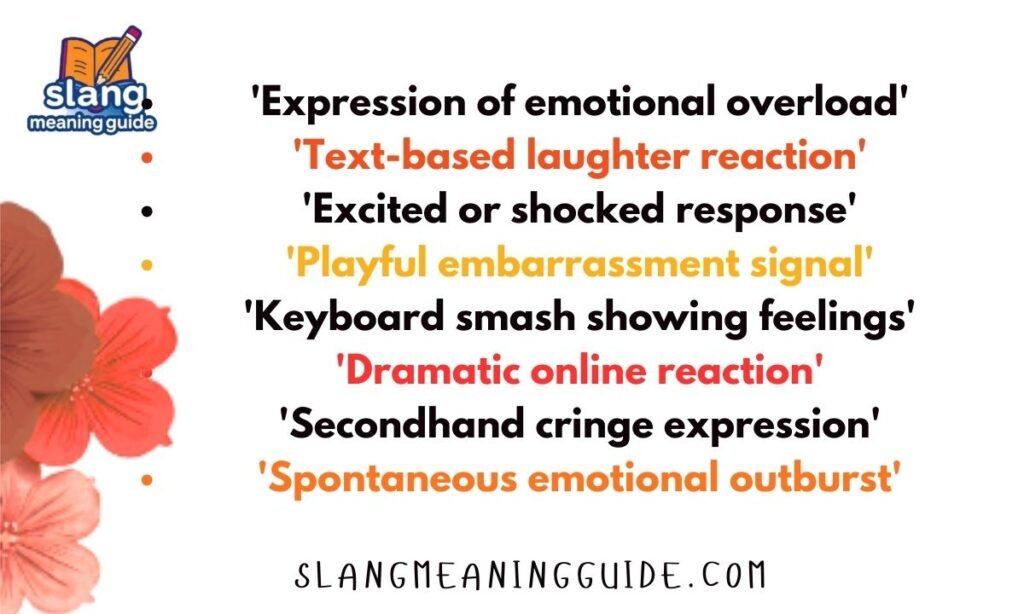
“Sksksk” is an internet slang expression used to show laughter, excitement, embarrassment, or emotional overload. It often replaces traditional reactions like “lol,” “haha,” or “omg,” but with a more dramatic or playful tone.
In texting, it signals that the sender is emotionally reacting rather than making a logical statement. The randomness of the letters reflects a loss of composure, as if the person is too amused or overwhelmed to type normally.
Common emotional meanings include:
- Laughter: reacting to something funny
- Excitement: responding to surprising or happy news
- Embarrassment: reacting awkwardly to a moment
- Secondhand cringe: reacting to something uncomfortable
Examples in text messages:
- Laughing: “That video was wild, sksksk.”
- Excited: “You’re coming tonight? Sksksk I’m so happy.”
- Embarrassed: “I tripped in front of everyone… sksksk.”
“Sksksk” works because it conveys emotional chaos in a quick, expressive way.
Social Media Usage on Snapchat, TikTok, and Instagram
On social media, “sksksk” functions as a reaction marker. It often appears in comments, captions, replies, and stories to show emotional response rather than provide content.
Each platform uses it slightly differently based on tone and audience.
Snapchat usage:
- Expressing excitement in chat reactions
- Reacting to selfies or stories
- Light teasing or playful embarrassment
TikTok usage:
- Responding to funny or awkward videos
- Expressing shock, excitement, or secondhand embarrassment
- Paired with trending phrases and memes
Instagram usage:
- Commenting under humorous posts
- Adding emotional flair to captions
- Reacting to relatable content
Typical social examples:
- Funny clip: “I can’t, sksksk.”
- Cute post: “This is adorable sksksk.”
- Cringe moment: “Why did he do that sksksk.”
The term works well because it feels spontaneous, emotional, and natural in casual online environments.
Formal vs Informal Use of “Sksksk”
“Sksksk” is strictly informal. It belongs in casual conversations, social media, and relaxed digital communication. It does not fit professional, academic, or formal writing.
In professional contexts, its use may seem confusing, unprofessional, or immature.
Appropriate informal settings:
- Text messages with friends
- Group chats
- Social media comments
- Casual online communities
Inappropriate formal settings:
- Work emails
- Academic writing
- Business communication
- Professional presentations
Better formal alternatives:
- “That’s funny.”
- “I’m excited about this.”
- “That was unexpected.”
Using the right tone ensures your message remains clear and socially appropriate.
Common Misunderstandings About Sksksk
Because “sksksk” looks random, many people misunderstand its purpose or tone.
One common mistake is assuming it always represents laughter. While it often does, it can also express embarrassment, anxiety, or emotional overload, depending on context.
Another misunderstanding is linking it strictly to specific subcultures. Although it became popular through VSCO girls and stan Twitter, it now functions as mainstream internet slang.
Frequent misconceptions include:
- Thinking it only means laughing
- Believing it has no emotional meaning
- Assuming it is childish or meaningless
- Treating it as nonsense typing
In reality, “sksksk” operates as an emotional shorthand, expressing feelings quickly and intuitively.
Emotional Context and Usage Tips
Understanding emotional context is essential for using “sksksk” correctly. Its tone shifts depending on the situation, message flow, and emotional environment.
When used well, it enhances humor, relatability, and emotional clarity. When misused, it can cause confusion or feel awkward.
Helpful usage tips:
- Match emotional tone: Use it when emotions run high.
- Avoid overuse: Too much reduces impact.
- Read the room: Do not use it in serious discussions.
- Pair with emotion: Combine with emojis or reactions when needed.
Emotion-based examples:
- Excitement: “You got tickets? Sksksk no way.”
- Nervous energy: “I’m waiting for the results sksksk.”
- Embarrassment: “Why did I say that sksksk.”
Using it naturally requires emotional awareness, not memorization.
Comparison With Similar Internet Abbreviations
“Sksksk” belongs to a broader category of emotional shorthand expressions. It shares similarities with other popular slang reactions but offers a distinct tone.
Comparison of Similar Slang Expressions
| Slang | Primary Meaning | Emotional Tone | Typical Usage |
| sksksk | Emotional overload | Excited, embarrassed | Reactions |
| lol | Laughter | Light humor | Casual responses |
| lmao | Strong laughter | High amusement | Funny content |
| omg | Surprise | Shock, disbelief | Sudden news |
| jk | Playfulness | Teasing | Light sarcasm |
“Sksksk” stands out because it conveys emotional chaos rather than a single emotion.
Practical Examples in Everyday Conversations
Using “sksksk” naturally depends on conversational flow. It often appears as a standalone reaction or combined with short phrases.
Casual friend chat:
- “That story was insane sksksk.”
- “You really did that sksksk.”
Social media comments:
- “This is sending me sksksk.”
- “Not this again sksksk.”
Light teasing:
- “You’re so dramatic sksksk.”
Excitement:
- “We’re going? Sksksk yes!”
These examples show how flexible and expressive the term can be across casual settings.
When to Avoid Using “Sksksk”
Despite its popularity, “sksksk” is not always appropriate. Certain contexts demand clarity, seriousness, or professionalism.
Avoid using it when:
- Someone shares serious or emotional news
- Discussing sensitive topics
- Communicating professionally
- Addressing conflict or misunderstanding
Examples of inappropriate use:
- Serious apology: “I’m sorry about that sksksk.”
- Professional email: “The deadline changed sksksk.”
Using it in these contexts can appear dismissive, immature, or insensitive.
Cultural Origins and Evolution
“Sksksk” likely originated as keyboard smashing, representing emotional overload. It gained traction in early social media communities and expanded through meme culture, stan Twitter, and youth-driven platforms.
Over time, it became associated with playful online personas and viral trends, especially the VSCO girl aesthetic. However, its current use extends far beyond any single group.
The term reflects how digital language adapts to express emotion quickly, creatively, and socially.
Alternative Expressions to Sksksk
Sometimes, variety improves clarity and tone. Here are common alternatives depending on emotion.
Alternatives Based on Emotional Context
| Emotion | Sksksk Alternative | Example |
| Laughter | lol, lmao | “That was hilarious lol.” |
| Shock | omg, wow | “Omg I can’t believe it.” |
| Excitement | ahhh, yesss | “Yesss we did it.” |
| Embarrassment | oops, yikes | “Yikes that was awkward.” |
Switching between expressions keeps conversations natural and engaging.
Frequently Asked Questions
What does sksksk mean in texting?
It expresses laughter, excitement, embarrassment, or emotional overload.
Is sksksk positive or negative?
It is mostly positive but can show awkwardness or nervousness.
Is sksksk formal language?
No, it is strictly informal internet slang.
Can sksksk be used sarcastically?
Yes, it can express playful or ironic reactions.
Where did sksksk originate?
It evolved from keyboard smashing in early online communities.
Final Thoughts
“Sksksk” is a powerful example of how modern slang captures emotion in a fast, expressive way. It compresses laughter, excitement, embarrassment, and surprise into a few simple letters.
Used correctly, it enhances tone, builds connection, and adds personality to digital conversations. Understanding its meaning and context ensures you can use it naturally, clearly, and confidently in today’s online language landscape.